A Supportive Approach to Recovery After Traumatic Brain Injury and Concussion
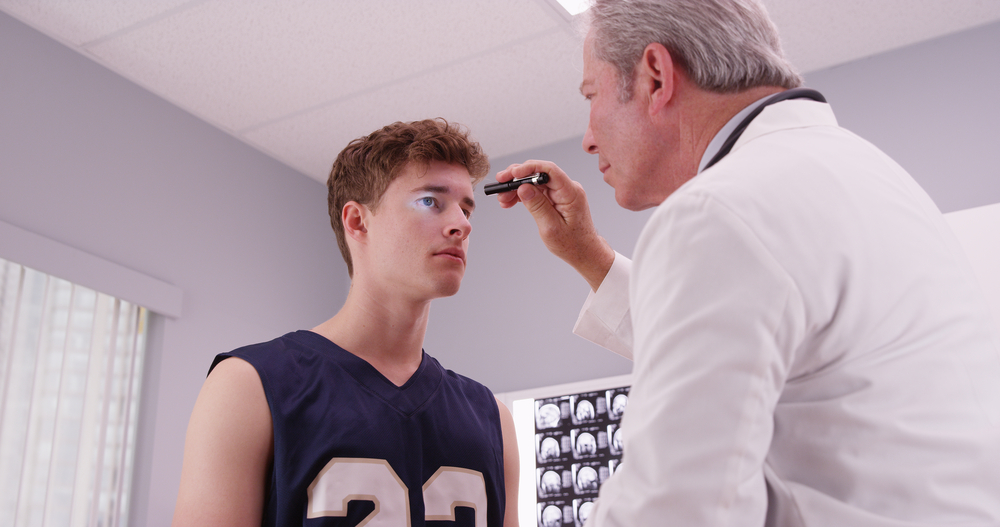
Traumatic brain injuries and concussions require immediate medical evaluation and treatment. Even after acute care is complete, many people continue to experience lingering symptoms that affect daily life.
MeRT® (Magnetic e-Resonance Therapy) is designed to support recovery after the initial injury has been medically addressed, helping the brain improve communication and function when symptoms persist.
Using sophisticated diagnostics and brain mapping, MeRT provides a personalized, non-invasive approach to post-injury brain rehabilitation.
Our Approach to TBI and Concussion Aftercare
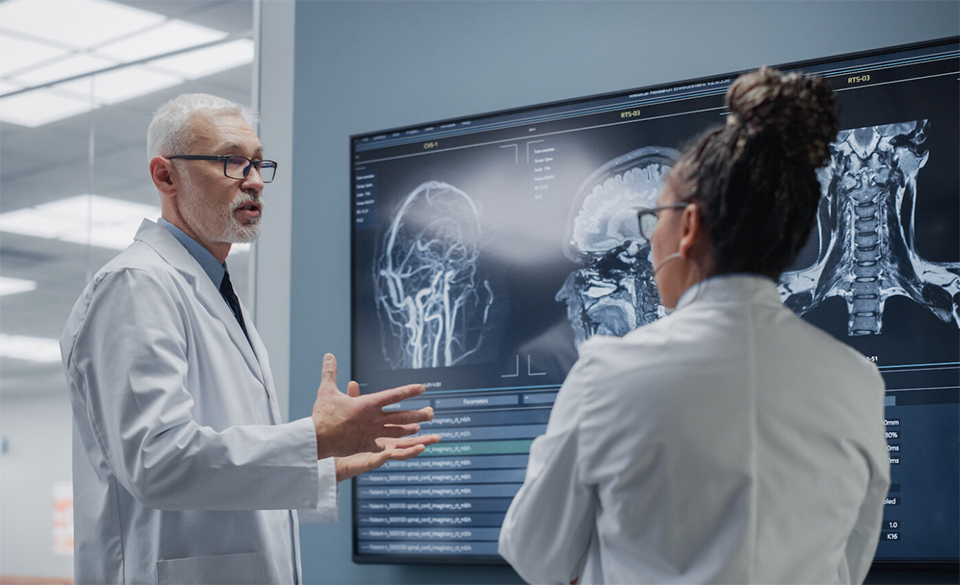
 A traumatic brain injury (TBI) is a physical injury to brain tissue that temporarily or permanently disrupts brain function. Diagnosis is suspected clinically and confirmed by imaging, most often CT scans or MRI, during acute medical care.
TBIs and concussions are common among athletes who experience repeated head impacts, as well as military members exposed to blast injuries. However, head injuries can happen to anyone, through falls, car accidents, or other trauma.
After medical stabilization, many individuals continue to experience challenges with memory, concentration, emotional regulation, sleep, and overall cognitive clarity. Brain injuries are complex and often require multiple layers of rehabilitation and support.
The Centers for Disease Control and Prevention (CDC) defines a traumatic brain injury (TBI) as:
“A blow to the head or a penetrating head injury that disrupts the normal function of the brain… An injury can also occur without a direct blow to the head, such as in an auto accident where forces cause the head to move violently.”
Symptoms may range from mild to severe. Loss of consciousness does not always occur, especially in mild or moderate TBIs, but ongoing symptoms can still significantly impact quality of life.
MeRT is frequently used alongside other therapies to help address underlying brainwave dysregulation that may contribute to lingering symptoms.
Call Our New Patient Coordinator for a No-Obligation Consultation
619) 255-2101
Or fill in the form below, and she will contact you.
Why Immediate Medical Care Comes First
Any suspected head injury should be evaluated immediately by a medical professional. Emergency care and imaging are essential to rule out serious complications.
MeRT is not an emergency treatment. It is intended for individuals who have already received medical care but continue to experience symptoms during recovery.
Common Causes of TBI
- Falls (especially in older adults and young children)
- Motor vehicle accidents
- Sports-related injuries and concussions
- Assaults
Lingering Symptoms After TBI or Concussion

Depending on the severity of the injury, long-term symptoms may include:
- Headaches or migraines
- Fatigue or low energy
- Dizziness or balance issues
- Memory and concentration difficulties
- Cognitive decline or slowed processing
- Mood changes, irritability, or emotional dysregulation
- Anxiety, depression, or panic attacks
- Sleep disturbances
- Sensory changes (vision, hearing, tinnitus)
- Weakness, numbness, or coordination issues
These symptoms often stem from persistent irregularities in brain communication rather than structural damage alone.
An Entirely New Approach
MeRT for Ongoing Brain Recovery After Injury
MeRT® is a highly individualized form of rTMS guided by detailed EEG brain mapping. The equipment used is FDA-cleared for Major Depressive Disorder and OCD, and used off-label to support recovery from TBI and concussion after-effects.
After the initial injury has healed, MeRT may help the brain:
- Improve connectivity between regions
- Regulate disrupted brainwave patterns
- Support cognitive clarity and emotional balance
Many patients report meaningful improvements when MeRT is used as part of a comprehensive recovery plan.
Explore some of the RESEARCH STUDIES.
Call Our New Patient Coordinator
(619) 255-2101
Or fill in the form below, and she will contact you.
Patient Story: Reclaiming Life After TBI
A Real-World Recovery Story
 David was diagnosed with Traumatic Brain Injury in 2011. He had become entirely unable to help his wife care for their home or their two young children. He was desperate.
For the next five years, he saw 46 different specialists: neurologists, psychologists, pain management specialists, orthopedic doctors, chiropractors, and physical therapists, which included 29 different treatments, from physical therapy to sensory deprivation tanks, meditation to biofeedback, and more. He was prescribed a multitude of different medications and supplements during these years, and eventually ended up with a drug addiction problem as well.
While some of these approaches helped, he was still far from regaining his quality of life. Then he discovered MeRT, Magnetic e-Resonance Therapy.
“Everything changed when I started treatment. Within two weeks, I was sleeping better. I was off all 12 of the meds I was on when I began treatment, and I was starting to enjoy life again. After the first month, I was socializing with people again. I was able to work out for the first time in years, and I started to help my wife with the bills and our budget. As I write this, I just completed my sixth week of treatment. A conservative estimate is that I have had a 60–70% reduction of the symptoms I listed above and have a whole new lease on life.”
David had already undergone extensive medical care and rehabilitation before discovering MeRT. His experience reflects what many patients face: years of trying multiple therapies with limited relief before finding an approach that addressed underlying brain function.
Non-invasive and Drug-Free
What is MeRT?
MeRT stands for Magnetic e-Resonance Therapy. It is a personalized form of transcranial magnetic stimulation (TMS) designed to target specific brain areas that are not communicating optimally.
Treatment is guided by advanced diagnostics, including qEEG brain mapping, allowing protocols to be tailored to each individual’s brain activity.
Is MeRT Right for You?
Deciding whether MeRT is appropriate doesn’t happen all at once, and you don’t have to decide alone.
Your first step is a free, no-obligation phone consultation with our New Patient Coordinator. During this call, you can:
- Discuss symptoms and history
- Ask questions
- Learn about treatment options, protocols, and fees
If appropriate, the next step is qEEG brain mapping to better understand how your brain is functioning post-injury.
EEG/EKG Testing
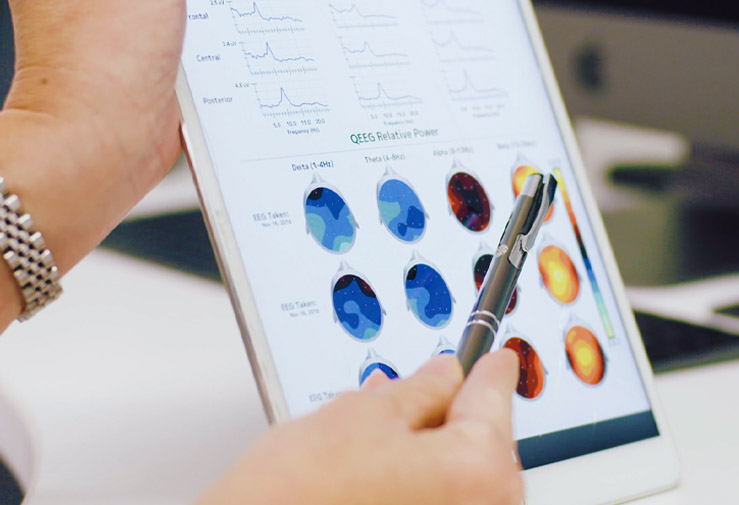 At your first appointment, we will perform the qEEG and EKG. These tests will help us evaluate brain activity and show any dysfunction. The qEEG, or brain mapping, is a valuable tool that helps us customize your treatment.
Our chief neurotechnician performs the qEEG/EKG and takes approximately 45 minutes.
We will also collect your new-patient paperwork at this time and schedule your initial assessment and treatment.
Clinical Evaluation and Consultation
Your second appointment will be a clinical evaluation with Nurse Practitioner Kayleigh Prowse and will take approximately 45 minutes. You can schedule this appointment via Telemedicine or in the clinic, whichever you prefer. Please note that if you choose a Telemedicine appointment and are seeking treatment for your child, your child will need to be present.
During this consultation, Kayleigh will answer all your questions and discuss your applicable treatment plan. You will also have an opportunity to meet with our physician and Medical Director, Julie Kim, M.D.
Assessment Period

Six weeks of treatment is recommended for patients undergoing MeRT to achieve optimal, long-lasting results. However, before committing to six weeks, we have each patient complete an assessment period to determine their response. This assessment period is included in the six-week treatment period.
The assessment is two weeks long. It consists of nine treatment sessions, followed by a repeat qEEG. Treatment would be provided in the first week, Monday through Friday, and the following week, Monday through Thursday. A typical treatment session lasts about 30-45 minutes. Additionally, your provider will cover the follow-up qEEG results with you.
If clinical changes are occurring as expected and the qEEG shows progress, you would continue treatment five days per week, Monday through Friday. You will likely see benefits within a week or two, but because treatment is cumulative, you should continue to notice improvements throughout your treatment and for some weeks after. Because treatment is consecutive, you must be able to remain in or near the area during your therapy.
For those not ready to commit to an assessment period, or if we need to review the test results to confirm that MeRT can help, we also offer the option to come in for a qEEG/EKG and then have a consultation with Kayleigh or Dr. Kim to review the results. After your clinical consultation, you will still have the option of going through an assessment period should you choose to do so.
Continuing Treatment
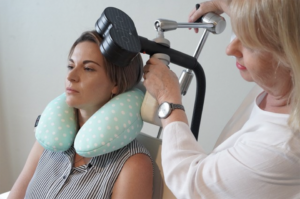 If clinical changes are occurring as expected and the qEEG shows progress, you will continue treatment. This ongoing treatment occurs five days per week, Monday through Friday. You should start to feel the benefits of treatment within a week or two, but because treatment is cumulative, you should continue to note improvements throughout the course of your treatment and even for some weeks afterward. Additionally, because we perform treatment on consecutive days, you must be able to stay in or around the San Diego area while undergoing your therapy.
Because each person’s brain and condition are unique, we tailor treatment protocols to each patient, guided by qEEG results. Repeat qEEGs and clinical consultations occur every two weeks throughout treatment.
As a note, the potential side effects of treatment are minimal and should begin to dissipate as you progress through treatment. The effects of treatment generally last a lifetime, though some patients prefer occasional follow-up treatment as needed.
Improvements and results of MeRT are based on strict and active observation of our treatment protocols. Results may vary by individual and are not guaranteed.
Insurance Coverage and Payment Options
We are an in-network provider with TRICARE. If you have TRICARE insurance, it is possible that your policy may provide coverage for you or a family member, depending on your specific policy and condition. Our New Patient Coordinator can discuss this with you in further detail.
For all other insurance plans, we are out-of-network and cannot file claims on your behalf. We can, however, provide you with the paperwork at the end of your treatment. Then, you can submit it to your insurance company to see if they will reimburse you.
Currently, rTMS is FDA-approved for Major Depressive Disorder, Treatment-resistant Depression, and OCD (Obsessive Compulsive Disorder). Treatment for all other conditions is considered “off-label.” For non-FDA-approved treatments, it is unlikely that insurance will reimburse for our protocols.
Some patients have reported receiving reimbursement for EEGs or clinical evaluations. However, this depends on their health coverage. Medicare patients have reported that their coverage does not reimburse MeRT.
We take all major credit cards, including Visa, MasterCard, American Express, and Discover.
Care Credit
CareCredit is also an option for financing medical expenses and is a separate company from The Brain Treatment Center San Diego. This credit card can be used to cover medical expenses and services. They typically offer zero-interest financing for 12 months.
Usually, when you go to the Care Credit website and apply, they will rapidly let you know if you receive approval.
MeRT for TBI Treatment Featured on The Broken Brain Podcast
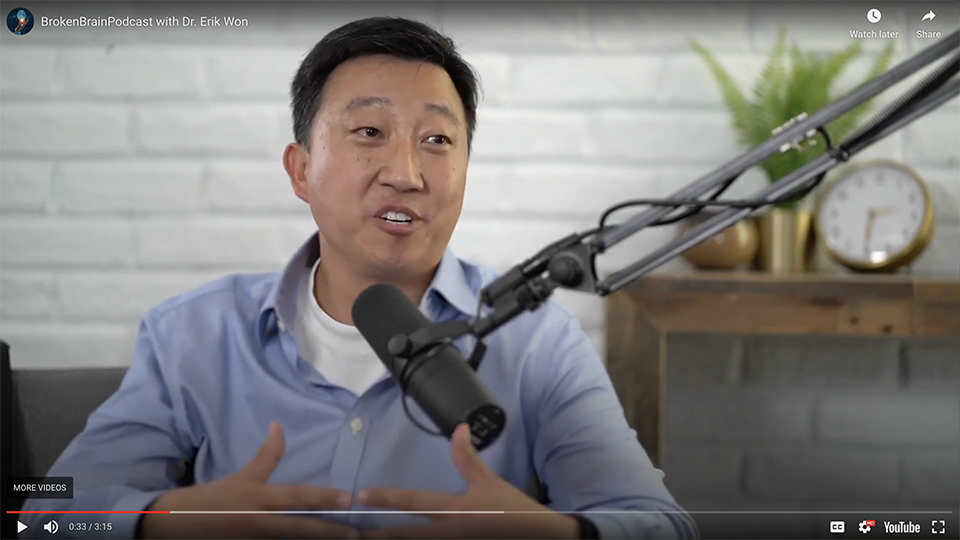 The Broken Brain Podcast explores the inner workings of the brain and body. One episode featured MeRT as a breakthrough treatment for treating TBIs and other neurological conditions.
Dr. Eric Won from Wave Neuroscience (the parent company of MeRT treatment protocols) speaks about using MeRT with military members and veterans who have experienced TBIs, depression, and PTSD from serving their country. Dr. Won also shares some incredible successes after treatment.
Click here to watch this informative and fascinating episode.
Research Supporting MeRT for TBI After-Effects
Targeted rTMS (repetitive transcranial magnetic stimulation) is a key element of our MeRT treatment for head injuries. Here are some of the many studies showing the effectiveness of rTMS:
The use of repetitive transcranial magnetic stimulation (rTMS) following traumatic brain injury (TBI): A scoping review
Evidence suggests that rTMS has the potential to be an efficacious therapeutic intervention for multiple symptoms after TBI, including depression, dizziness, central pain, and visual neglect. “
Neuromodulatory Interventions for Traumatic Brain Injury
In this special issue of the Journal of Head Trauma Rehabilitation, we share with readers some of the latest advancements in neuromodulation specific to TBI, while providing the framework to further our understanding of how and why functional skills are likely improved. While neuromodulatory interventions can play a critical role in functional recovery for those with TBI, the heterogenous nature of TBI means that clinical implementation of neuromodulation will require understanding, at the individual and group levels, of how, when, and where to alter brain activity to support sustained recovery of sensory and higher order functions.”
 The role of transcranial magnetic stimulation in treating depression after traumatic brain injury
This study suggests that rTMS is a potential treatment option for depression following TBI. Both 15 to 16 session and 30 to 38 session cohorts showed significant decreases in depression as measured by PHQ-9 following rTMS treatment. These findings support the use of rTMS in post-concussion depression treatment and highlight the need for more research on rTMS therapy following TBI.”
Randomized trial of rTMS in traumatic brain injury: improved subjective neurobehavioral symptoms and increases in EEG delta activity
Subjective measures of depression, sleep dysfunction, post-concussive symptoms (PCS), and executive function showed significant improvement with stimulation, retaining improved levels at two-week follow-up. EEG delta power exhibited elevation one week after stimulation cessation.”
Neural mechanisms of emotional health in traumatic brain injury patients undergoing rTMS treatment
Our findings uncover the neural mechanisms underlying the improvement in emotional well-being in TBI due to application of neuromodulation. The main effect of rTMS is to reduce emotional disorders and hence consequently it may improve cognitive and executive functions.”
Low frequency transcranial magnetic stimulation for cognitive recovery after traumatic brain injury: A case report
Our results are consistent with studies showing improved cognitive functioning in TBI following a unilateral or bilateral rTMS protocol that used low frequency rTMS over the right DLPFC. Therefore, this stimulation site may be promising for improving cognitive recovery in TBI, especially when combined with cognitive rehabilitation.”
Repetitive Transcranial Magnetic Stimulation for Treatment of Depression in a Patient With Severe Traumatic Brain Injury
Case Report: A 37-year-old male with history of anxiety and bipolar depression incurred a TBI after a 60-foot fall. After his physical recovery, the patient had refractory depression. Eight months after the TBI event, he underwent a 6-week course of rTMS treatment and had a 70.8% improvement in mood symptoms by the end of the therapy as indicated by the Patient Health Questionnaire-9, transitioning from severe to mild depression according to the scoring system. Clinical correlation during the months following conclusion of rTMS therapy showed no signs of remission or adverse side effects. The patient remains stable and lives independently 1 year after treatment with mood-stabilizing medications.
“Conclusion: This case provides evidence for successful treatment of refractory depressive symptoms after severe TBI with the addition of rTMS to psychotherapy and mood-stabilizing medications, supporting the safety and tolerability of this novel therapeutic approach. Further studies are needed to validate the contribution of rTMS for management of mood symptoms in patients with TBI.”
 Talk with our New Patient Coordinator
 Talk with our New Patient Coordinator
Living with lingering symptoms after a brain injury can feel isolating and discouraging—especially when recovery doesn’t follow a straight line.
Our team understands what you’re facing. A simple phone call can help you determine whether MeRT may be a supportive next step in your recovery.
Call Our New Patient Coordinator to Learn More
(619) 255-2101
Or fill in the form below and she will contact you.
Contact Us
For more information or to speak with our New Patient Coordinator, please fill in the information below.